
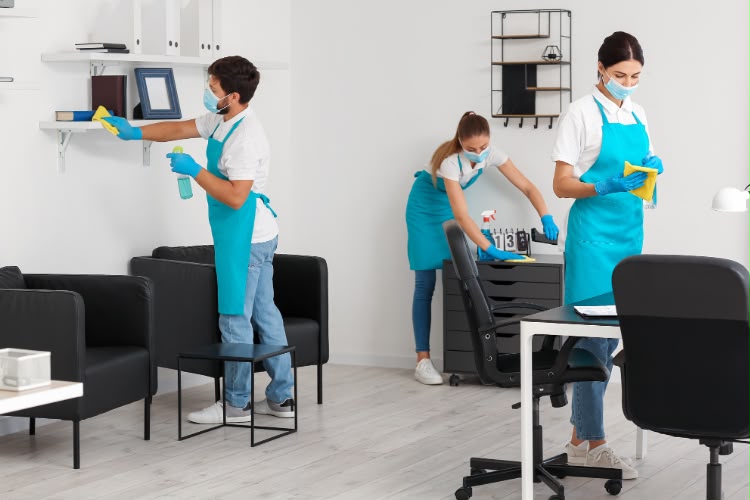
Medical offices need consistent cleaning to maintain a safe, hygienic environment for patients, healthcare professionals, and staff. But how often should a clinic be cleaned, and what guidelines apply in Ontario?
The answer depends on the type of medical practice, the activities performed, patient traffic, and the risk of infection. While reception areas and administrative offices may follow a routine cleaning schedule, examination rooms and clinical surfaces require more specific attention under infection prevention and control (IPAC) practices.
For medical offices in Toronto and the Greater Toronto Area (GTA), understanding these differences can help establish an effective cleaning schedule.
How Often Should Different Areas of a Medical Office Be Cleaned?
There is no single cleaning schedule that applies to every medical office. Cleaning frequency should reflect how each space is used, the surfaces involved, and the clinic’s infection prevention and control procedures.
1. Reception Areas and Waiting Rooms
Reception areas and waiting rooms are used by patients, visitors, and staff throughout the day. Regular cleaning helps maintain a professional environment and reduce the buildup of dirt and contamination on frequently touched surfaces.
Recommended routine tasks include:
- Cleaning and disinfecting frequently touched surfaces, such as counters and door handles, as appropriate.
- Cleaning floors regularly and whenever visibly soiled.
- Cleaning chairs and other shared surfaces according to their use and condition.
- Emptying waste bins as needed and keeping the area tidy.
Busy clinics may require more frequent attention throughout the day, especially during periods of increased patient traffic.
2. Examination and Treatment Rooms
Examination rooms require more careful cleaning because healthcare providers use them to assess and treat patients.
Patient-care surfaces and reusable medical equipment must be cleaned and disinfected according to the clinic’s applicable IPAC procedures. Depending on the surface and procedure, this may mean cleaning and disinfecting between patients, as well as completing routine cleaning at the end of the day.
Examples of areas requiring attention include examination tables, work surfaces, chair armrests, and shared equipment. Clinical staff must also follow the appropriate procedures for medical devices and equipment.
3. Washrooms
Patient and staff washrooms should be inspected and cleaned regularly, with additional attention when heavily used or visibly soiled.
Tasks typically include cleaning and disinfecting toilets, sinks, faucets, door handles, and other frequently touched surfaces. Floors should be cleaned as needed, and soap, paper towels, and other supplies should be replenished.
The appropriate frequency depends on usage, the clinic’s procedures, and the condition of the facilities.
4. Staff Rooms and Administrative Offices
Staff rooms, kitchens, private offices, and other administrative spaces generally follow a routine cleaning schedule based on use.
Typical tasks include wiping down shared surfaces, cleaning floors, maintaining kitchen and breakroom areas, and emptying waste bins. Shared touchpoints may need more frequent attention in busy workplaces.
These areas still form part of the clinic environment, but their cleaning requirements may differ from those of patient examination and treatment spaces.
What Ontario Guidelines Apply to Medical Office Cleaning?
Medical offices in Ontario should establish cleaning and disinfection procedures that align with the infection prevention and control requirements applicable to their practice.
Public Health Ontario provides guidance on environmental cleaning and infection prevention and control for clinical office practice. The College of Physicians and Surgeons of Ontario (CPSO) also sets expectations for physicians regarding maintaining a clean and safe healthcare environment.
Key considerations include:
- Routine and consistent environmental cleaning: The clinic should have clear procedures for cleaning and disinfecting its environment.
- Appropriate products: Cleaning and disinfecting products must be suitable for their intended healthcare use and applied according to manufacturer instructions.
- Cleaning before disinfection: Surfaces should be cleaned to remove visible soil before disinfection when required by the product and procedure.
- Defined responsibilities: The clinic should clearly establish who is responsible for cleaning different areas and equipment.
- Clinical equipment and regulated waste: Medical device reprocessing, sharps handling, and infectious waste disposal require appropriate procedures and should not be treated as ordinary janitorial tasks.
The exact requirements depend on the type of practice and the services provided. Clinics should consult the relevant professional standards and current public health guidance rather than assume that one general cleaning schedule meets every requirement.